
From imagination to productionNuaviv, the platform helping build the Die Gotica Universe
Every science-fiction world needs a story. Behind the scenes, it also needs a memory.
From live-action footage to characters between 2D and 3D, SBS Studios is developing a hybrid language for Die Gotica. Behind the scenes, Nuaviv helps organise the materials and decisions that keep this world moving.
Published on
 NUAVIVtechnology behind the scenes
A universe needs to remember
A face returns in another era. The light changes, the setting changes, yet something must remain: a gesture, a presence, whatever allows the audience to recognise the same person. On screen, that continuity may last a second. Behind the scenes, it runs through references, versions, decisions and many hours of work.
The Die Gotica Universe brings together stories across film, series and literature. Its imagination thrives on encounters between times and places. Behind the scenes, that freedom requires a very practical discipline: knowing where each asset lives, which version was approved and how one choice affects the next scene.
This is where Nuaviv enters the story. Developed by Cristiano Stern through the production experience of SBS Studios, the platform connects creative work, studio organisation and project oversight. The world audiences see on screen has a place behind it where the work can continue from one stage to the next.
The control room on this side of the screen
Science fiction has accustomed us to control rooms that bring scattered information together: maps, archives, images and voices. There is something of that idea in a production environment that lets a team see the whole without losing sight of the details.
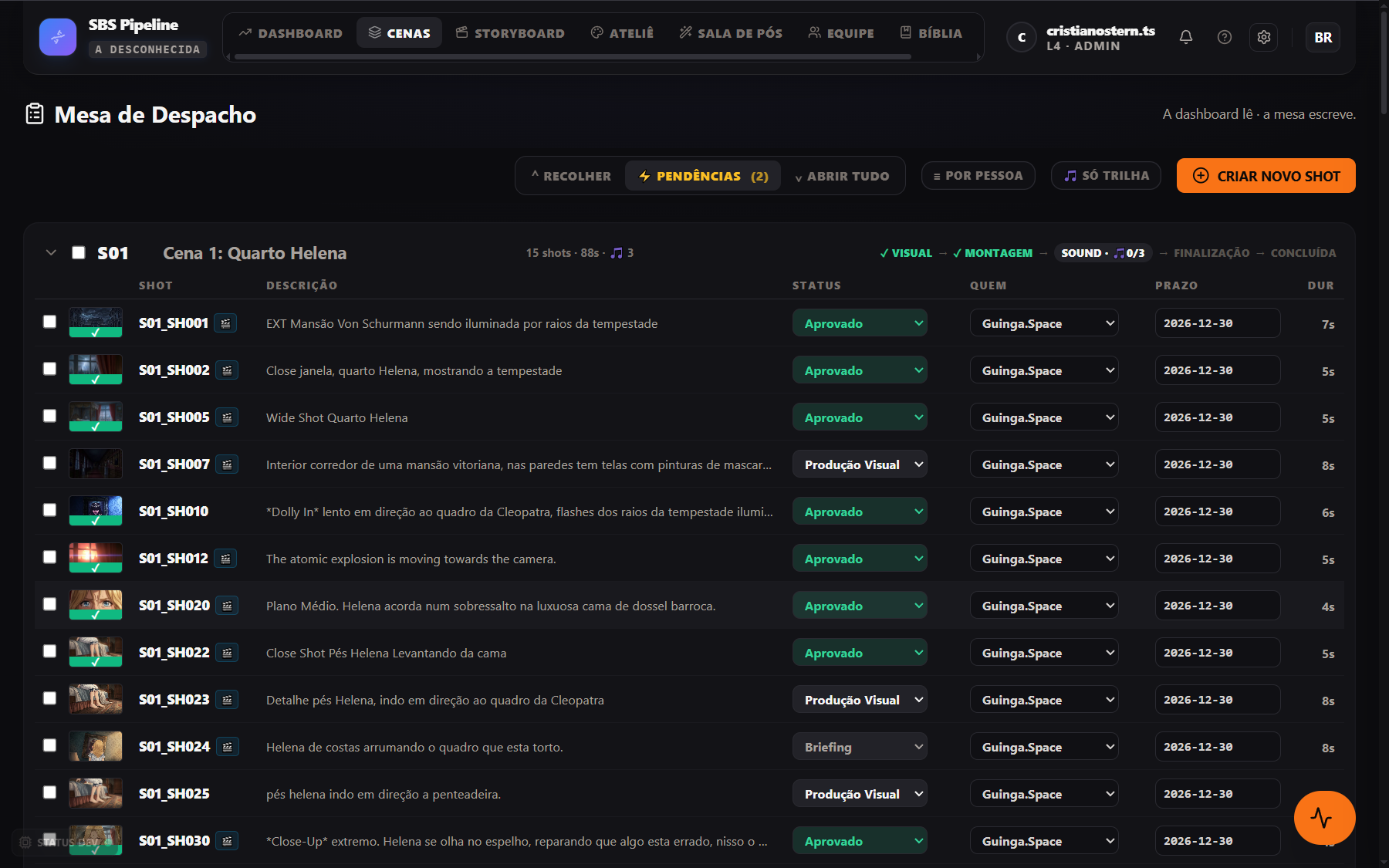
Within Nuaviv, this organisation is spread across three spaces. The Portal handles identity and access to the ecosystem. Mission Control follows the studio and its projects. Pipeline Manager works closer to each production, where shots, assets and tasks need to come together.
The names might suggest the bridge of a spacecraft. The daily work will be familiar to any independent crew: picking up a task, finding a reference, tracking a delivery and understanding what still needs a decision. Technology earns its place when it helps the team return to a scene with context.
A hybrid world, a creative direction
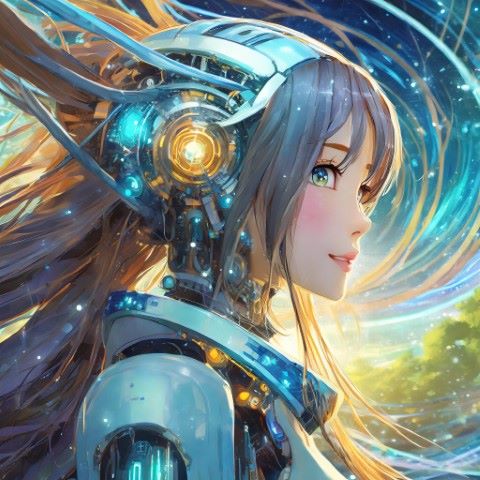
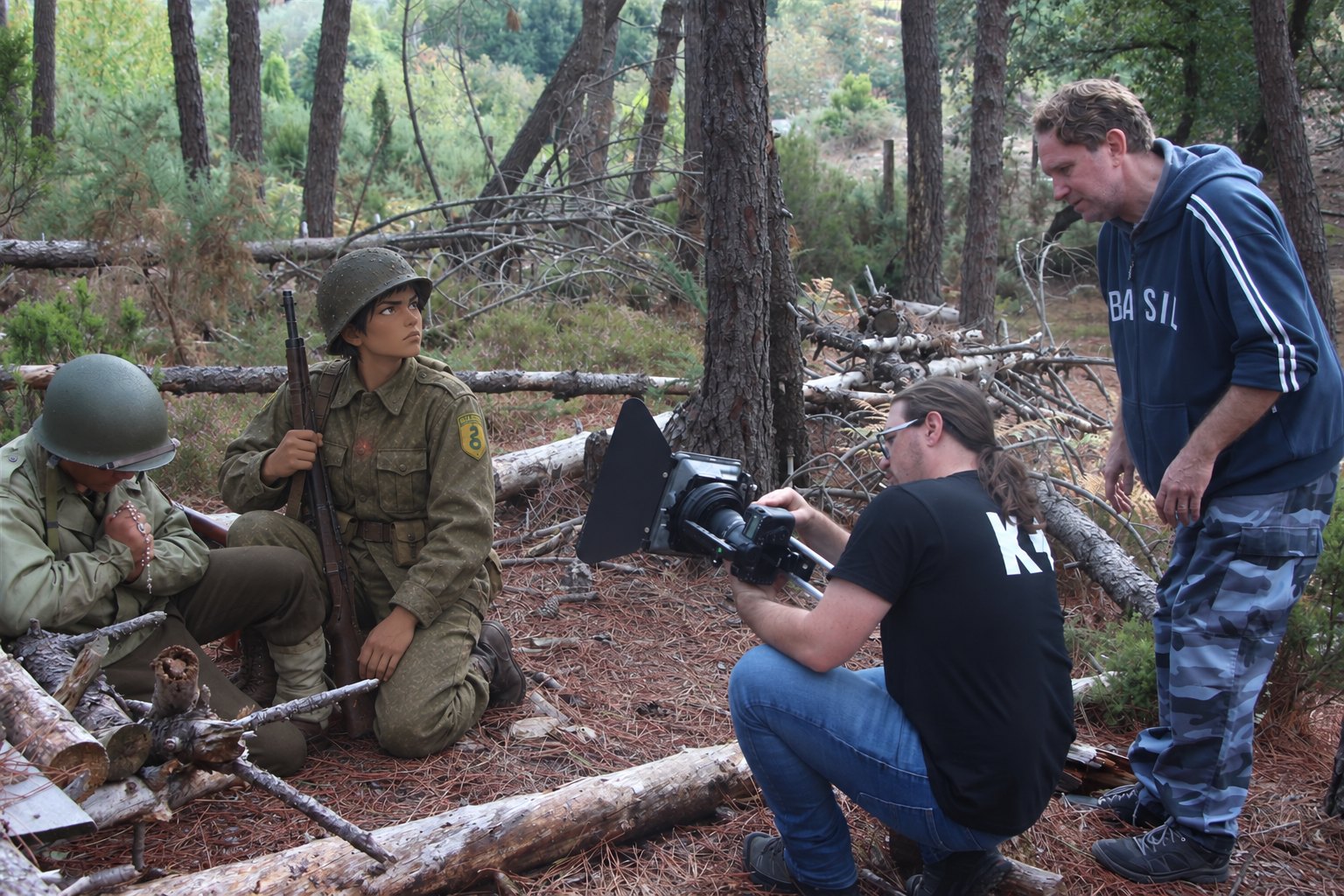
Kereju sits before the camera. Around her, the forest, equipment and crew belong to the physical world. The character has a stylised design of her own, preserving the distance between a filmed person and an imagined figure. The visual study opening this article brings that choice into one image: fiction enters the set, and the set becomes part of the fiction.
For the Die Gotica series, the visual approach in development brings live-action footage together with characters whose language sits between 2D and 3D. The texture of a location, the depth of its light and the presence of a drawn figure need to find a way to coexist. Their meeting gives an identity to the world the team is choosing to produce.
Camera work, art direction, performance, animation, compositing and artificial intelligence all participate in a process led by the crew. Framing remains a cinematic decision. Light must make sense within the scene. Movement must preserve the character’s intention. Each tool is chosen to serve those relationships.
It is also a challenge of continuity: keeping references, tracking versions and carrying the context of a decision across different stages. Nuaviv helps organise that work. A Desconhecida (Unknown Maiden), a feature film distinct from the series and connected to the same universe, is already a field of application for the platform at SBS. In Die Gotica, the hybrid method guides the visual language the team is developing.
Artificial intelligence meets creative direction
Within the DGU’s imagination, artificial intelligence may observe centuries. In a real studio, its use has people responsible for it, choices and limits. Different models and services take part in specific stages; the creative team continues to choose the language, assess the results and decide what belongs in the work.
Nuaviv’s proposition is to give that work context. Production, administration and documentation are parts of the same journey. For an independent team, retaining the history and organising evidence of its work also helps in conversations with collaborators, partners and funders.
The functional platform is already used by SBS, while the expansion of its offering to other producers remains in development. The distinction matters: the experience of a real production informs the platform’s evolution, and each new stage needs to be validated through work.
The future is also made of continuity
Die Gotica grew from a desire to tell stories that cross borders. Nuaviv emerged along that journey from the need to sustain the work that makes those stories possible. The relationship between them brings imagination and craft together.
Perhaps the most interesting image of this technology is less spectacular than an intelligence that knows the future: a team returning to production and finding the context it needs to move forward. The reference is there. The decision can be understood. The next shot can begin.
On screen, time bends. In the studio, the story finds a way to continue.