
The Die Gotica Universe: Where Past Meets Future and Fiction Becomes Reality
Original publication date: not confirmed in the archive.
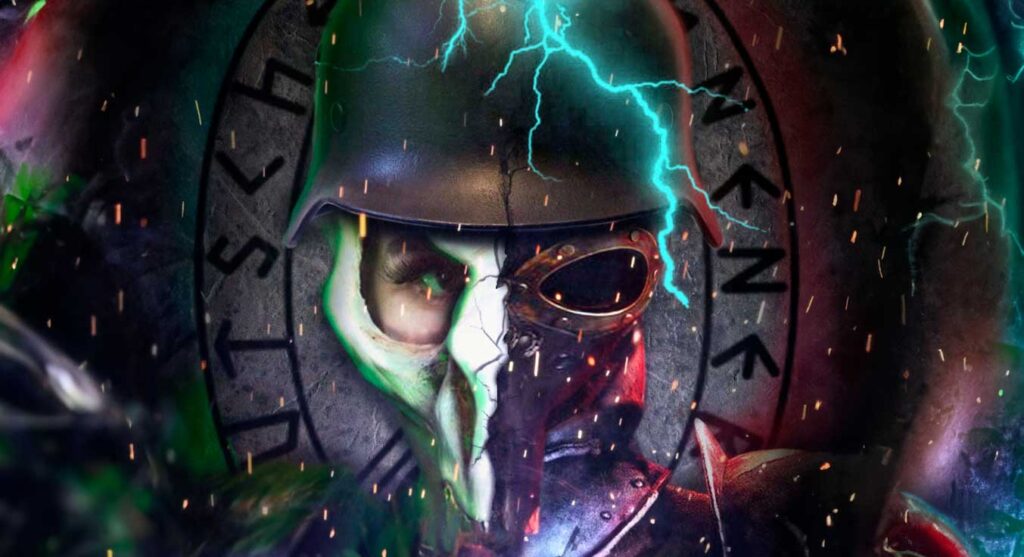
The Die Gotica Universe (DGU), created by Cristiano Stern, unfolds across animated series, books, games, music and art. Its stories move through different historical periods, from the colonisation of Brazil to the distant future, exploring the manipulation of time and the consequences it leaves behind.
What defines the DGU?
- Time travel. At the heart of the universe lies the ability to cross time, driven by technologies such as Die Glocke, a Nazi device that tears open rifts in space-time. Those interventions give rise to paradoxes, alternate realities and confrontations between characters from different eras.
- Mystery and conspiracy. Secret societies, hidden organisations and enigmatic figures—including the Thule Society and Maria Orsic—seek to bend Elohim technology to their own ends. Conspiracies, betrayals and secrets reaching back thousands of years run through these stories.
- Elohim and Nephilim. The Elohim, an advanced extraterrestrial civilisation, appear as the “gods” of ancient cultures. The Nephilim, descendants of Elohim and humans, possess unusual abilities and play pivotal roles. The uneasy relationship between Elohim, Nephilim and humanity opens up questions of creation, genetic manipulation and free will.
- Historical and futuristic settings. The narrative moves between strikingly different worlds, from the Amazon rainforest during the colonial period to a futuristic Jerusalem in 2034. Ancient and futuristic technologies exist in unsettling proximity.
- Ethical and moral questions. The manipulation of time and the use of advanced technology carry profound ethical costs. Characters must confront power, revenge, responsibility and the unforeseen consequences of their choices.
- Cultural diversity and representation. The DGU brings together characters of different ethnicities, cultures and sexual orientations. Its stories draw on the cultural richness of Brazil and the wider world, addressing colonialism, prejudice and the struggle for identity.
Die Gotica weaves science fiction, history, mysticism and suspense into a universe that asks us to reconsider the place of technology, faith and ethics in shaping our past, present and future.
An editorial translation of the archived Portuguese article. Historical references and earlier story concepts are preserved as part of that archive. Read the original in Portuguese →